Source Eco Friendly Pepper Spoon Rest for Kitchen Restaurant Buffet
Compare 30 Eco Friendly Pepper Spoon Rest options from verified suppliers. View stainless steel models with varying sizes, weights, and customization features for kitchen, restaurant, and buffet applications.
Key considerations
Products List


Multifunctional Storage Rack Eco-Friendly Stand for Spoons Lids Spatula Tongs
$0.32 - $0.35
MOQ: 5000 Pieces

Heat-Resistant, BPA-Free Plastic Spoon Rest & Spoon Holder for Stove Top
$0.32 - $0.35
MOQ: 5000 Pieces

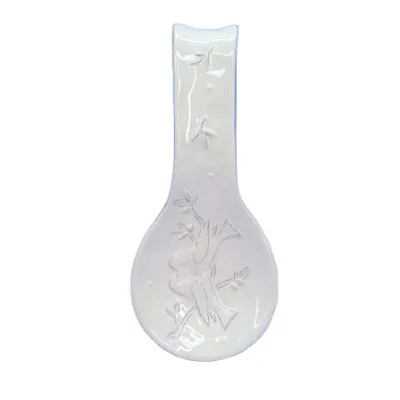
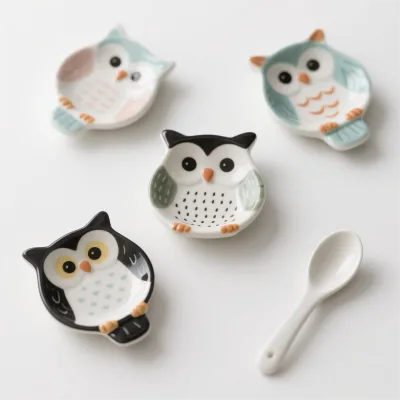

Available, Per Request Silver Tone None Individual Packaging Spoons Spoon
$0.56 - $0.58
MOQ: 100 Pieces

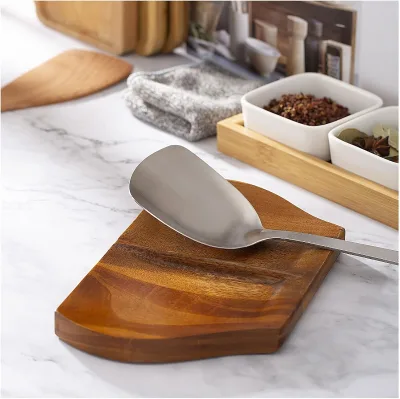
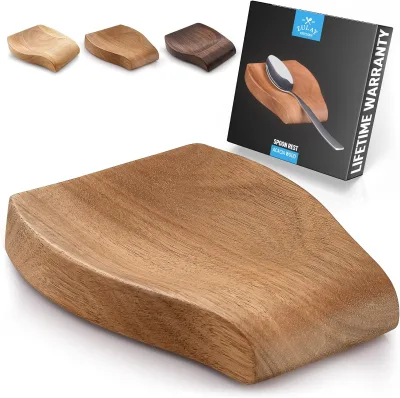
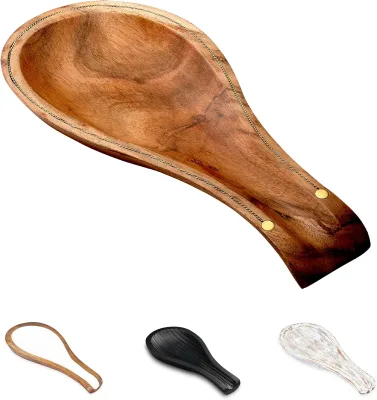
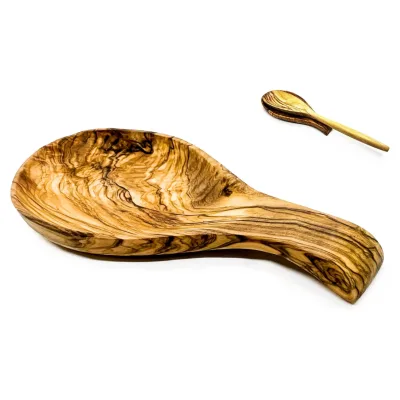

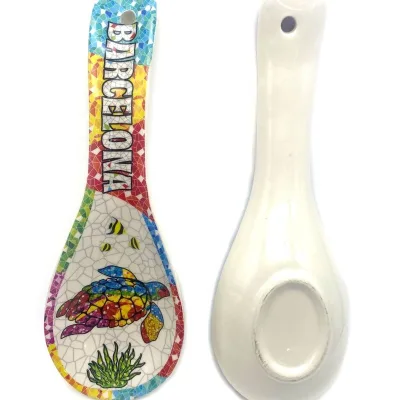
Comprehensive Sourcing Guide
Strategic Sourcing Guide for Eco-Friendly Pepper Spoon Rests
Understanding Product Definitions and Material Standards
When sourcing an eco-friendly pepper spoon rest, buyers must first distinguish between the functional category of the item and the specific material composition that defines its sustainability profile. The core product category is the "Spoon Rest Holder," a kitchen accessory designed to hold spoons, ladles, or pepper mills during food preparation and service. Unlike disposable alternatives, high-quality spoon rests are engineered as non-disposable, durable assets intended for repeated use in commercial and residential environments. The primary material driver for eco-friendly claims in this sector is stainless steel, specifically grades such as 304 stainless steel (304ss). This material is preferred because it offers high corrosion resistance, does not leach chemicals into food, and is fully recyclable at the end of its lifecycle, aligning with circular economy principles.
The physical attributes of these products vary significantly based on the intended application. While some models are designed for "Ordinary Scoop" usage in general kitchen settings, others are tailored for "Commercial" environments like restaurants and buffets. The weight of the unit is a critical indicator of material density and durability; observed specifications range from 118g to 155g, suggesting variations in gauge thickness and handle design. A heavier unit often implies a more robust construction capable of withstanding the rigors of a busy kitchen, whereas lighter units may be optimized for specific aesthetic or portability needs. The design frequently features a "Long Handle" to keep the user's hand away from hot surfaces or messy ingredients, and the finish is typically a "High Mirror Polish" to ensure ease of cleaning and a premium aesthetic.
Technical Specifications and Dimensional Variability
Technical specifications for spoon rests are not uniform, and buyers must carefully review the dimensional data provided by potential suppliers to ensure compatibility with their existing kitchenware or display setups. The market presents a wide array of standard sizes, reflecting the diverse shapes of pepper mills and serving spoons they are intended to support. For instance, specific product models have been observed with dimensions such as 293x62mm, while others measure 265x113x33mm or 110x264mm. These variations dictate the footprint of the rest on a countertop and the clearance required for the utensil handle.
The standardization of these dimensions is often tied to specific product models, such as BF2248, SLR0917, or KU9603. Buyers should note that some specifications are listed in metric units (e.g., 90x170mm, 3.54"x6.69"), while others may use imperial or mixed measurements. The "prod_standard" field often contains these exact measurements, serving as the primary reference for inventory planning. Additionally, the packaging standards vary; some units are packed individually, while others are grouped in export cartons with specific quantities, such as 300 pieces per carton. Understanding these dimensional constraints is vital for logistics planning, as the cubic volume of the product will directly impact shipping costs and warehouse storage efficiency.
Compliance, Certification, and Environmental Claims
Verifying the environmental and safety credentials of a pepper spoon rest is a critical step in the procurement process, particularly when marketing the product as "Eco-Friendly." While the term "Eco-Friendly" is a common attribute in the market, it must be substantiated by tangible certifications and material declarations. The supply chain for stainless steel products often involves certifications such as CE/EU, FDA, and LFGB. These certifications indicate that the product meets specific safety standards for food contact, ensuring that the stainless steel does not release harmful substances when in contact with acidic foods like pepper or citrus.
Buyers should be cautious of generic claims without supporting documentation. For example, while some background knowledge suggests FSC certification, this is typically associated with wood products rather than stainless steel. Therefore, the eco-friendly claim for a metal spoon rest should primarily rest on the recyclability of the stainless steel material and the durability of the product, which reduces waste compared to single-use alternatives. The "Made From: 304ss" attribute is a strong indicator of quality and environmental safety, as 304 stainless steel is a standard food-grade alloy. However, buyers must verify that the supplier can provide valid test reports or certificates of analysis confirming the material grade and the absence of heavy metals or lead.
Cost Drivers and Minimum Order Quantity Dynamics
The pricing structure for eco-friendly pepper spoon rests is influenced by several key factors, including material costs, manufacturing complexity, and order volume. The observed price range in the market is relatively low, spanning from $0.01 to $5.00 USD, which suggests a high volume of low-cost manufacturing. However, the Minimum Order Quantity (MOQ) creates a significant barrier to entry for smaller buyers. The observed MOQ range is extensive, varying from 100 units to as high as 50,000 or even 100,000 pieces.
This disparity in MOQs often correlates with the customization level of the product. Customized items, which may feature specific branding, unique dimensions, or special packaging, typically command higher MOQs due to the setup costs involved in tooling and production lines. For instance, a supplier might require an MOQ of 50,000 pieces for a custom-branded stainless steel rest, whereas a standard, non-customized model might be available at an MOQ of 100. Buyers must align their procurement strategy with their inventory turnover rates. Ordering at the lower end of the MOQ spectrum may result in a higher unit cost, while ordering at the higher end can significantly reduce the per-unit price but increases capital tied up in stock. Additionally, the packaging type, such as "Gift Box Packing" versus "Export Carton," can influence the final landed cost, as premium packaging adds material and labor expenses.
Typical Applications and Usage Scenarios
The versatility of the pepper spoon rest allows it to serve multiple applications across different sectors of the food service industry. The primary usage is categorized as "Kitchen, Restaurant and Buffet Equipment," indicating its suitability for high-volume environments where hygiene and efficiency are paramount. In a commercial kitchen, the spoon rest is used to hold pepper mills, ladles, or serving spoons, preventing cross-contamination and keeping work surfaces clean. The "Commercial" usage classification suggests that these units are designed to withstand frequent handling and rigorous cleaning protocols.
Beyond general kitchen use, specific models are tailored for beverage service, with attributes noting suitability for "Coffee, Ice Cream, Tea." In these contexts, the spoon rest may be used to hold small spoons for stirring or serving, often in a coffee shop or tea house setting. The "Long Handle" design is particularly beneficial here, as it allows the spoon to rest securely without touching the rim of a cup or the surface of a table. The "High Mirror Polish" finish is not merely aesthetic; it facilitates easy cleaning and sanitization, which is a critical requirement in food service environments. Buyers should consider the specific workflow of their operation when selecting a model; a buffet setup may require a larger, more stable rest, while a coffee station might prioritize a compact, elegant design.
Supplier Evaluation and Quality Control Protocols
Evaluating suppliers for stainless steel spoon rests requires a rigorous assessment of their production capabilities and quality control measures. Since the product is made in China, with specific origins noted in locations like Guangzhou, buyers should verify the supplier's ability to maintain consistent quality across large production runs. The presence of multiple product models, such as SM028DES-6 and Wood Cutlery (though the latter implies a different material), indicates that suppliers may have diverse portfolios. Buyers must ensure that the specific stainless steel models they intend to purchase are the core competency of the supplier.
Quality control should focus on the "High Mirror Polish" finish and the structural integrity of the unit. Buyers should request samples to verify the weight consistency (e.g., ensuring the unit is indeed 118g or 155g as specified) and the absence of burrs or sharp edges. The "Single" packaging attribute for some items suggests that individual wrapping is used to prevent scratches during transit, which is a sign of attention to detail. Furthermore, the "Delivery Time" of 45 days is a critical factor in supply chain planning. Buyers must confirm if this lead time is consistent or if it fluctuates based on order volume and customization requirements. It is also essential to verify the "prod_packing" details, such as the "5-Layer Export Carton," to ensure that the products will arrive in good condition without damage.
Long-Term Procurement and Sustainability Considerations
For long-term procurement success, buyers should view the purchase of pepper spoon rests as an investment in sustainability and operational efficiency. The "Non-Disposable" nature of these products means they are designed for a long lifespan, reducing the recurring cost of replacing worn-out items. The "Eco-Friendly" attribute is reinforced by the recyclability of stainless steel, making these products a sustainable choice compared to plastic or wood alternatives that may degrade or require frequent replacement.
Buyers should also consider the customization options available. The ability to have "Customized" products allows businesses to brand their kitchenware, enhancing their corporate identity and providing a cohesive look across their service areas. However, this customization must be balanced against the higher MOQs and potentially longer lead times. Over time, maintaining a relationship with a supplier who offers consistent quality and reliable delivery times is more valuable than chasing the lowest unit price. By focusing on high-quality, durable stainless steel products that meet international safety standards, buyers can ensure their operations remain compliant, efficient, and environmentally responsible. The integration of these products into a broader procurement strategy should prioritize total cost of ownership, including durability, maintenance, and end-of-life recycling, rather than just the initial purchase price.
FAQs
What certifications do eco friendly pepper spoon rests have?
Some models hold CE/EU, FDA, and LFGB certifications for food safety. These ensure the stainless steel does not release harmful substances when contacting acidic foods like pepper.
Which material is used for durable spoon rest holders?
Products are typically made from 304 stainless steel for high corrosion resistance and recyclability. This grade ensures durability and safety for repeated use in commercial kitchens.
How long is the delivery time for these kitchen accessories?
The standard delivery time is 45 days for most orders. Buyers should confirm if this lead time applies to their specific volume and customization requirements before placing an order.
Can I find customized Eco Friendly Pepper Spoon Rest options?
Customization is available for branding or specific dimensions on select models. However, customized items often require higher minimum order quantities compared to standard non-customized stock.
What is the typical weight of a stainless steel spoon rest?
Observed weights range from 118g to 155g depending on the model. Heavier units generally indicate a more robust construction suitable for high-volume commercial environments.
Which minimum order quantities apply to these products?
MOQs vary significantly from 100 units up to 100,000 pieces based on customization. Standard items may have lower thresholds, while custom branded units often require orders of 50,000 or more.